


Wintertime is tea time! Tea is considered to be one of the healthiest drinks of all. The aromatic hot drink is available in a wide variety of flavours and has a very positive effect not only on our well-being, but also on our health. Black tea, green tea, rooibos or fruit tea - variety is a must! In winter, the variety of herbal teas is particularly high. We have summarised different types of herbal tea and their effects for you:
Herbal teas: health boosters in winter

What's in herbal tea?
Whether fresh or dried - herbs have always been used as healing and soothing teas. We are taught from an early age that if we are ill, we should have a cup of hot tea first! And that's a good thing, because sometimes it soothes a sore throat, sometimes it calms our stomach. Everyone should have a small herbal (tea) pharmacy at home during the winter!
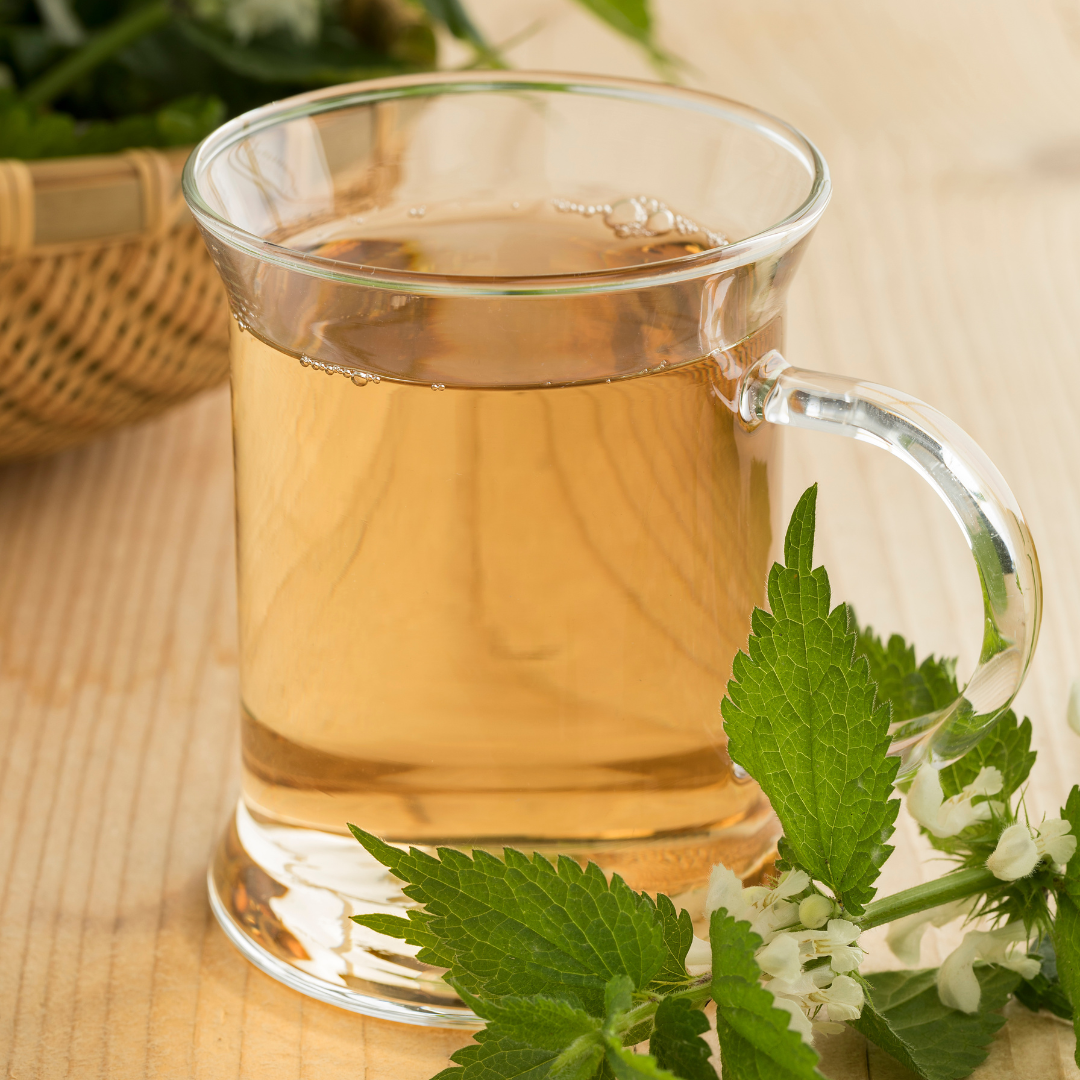
Nettle tea
Nettle leaves are characterised by their vitamin and mineral content. Due to its strong diuretic effect, this herbal tea is particularly helpful for urinary tract infections and cystitis. Nettle tea is also an excellent tea for draining the body.
Peppermint tea
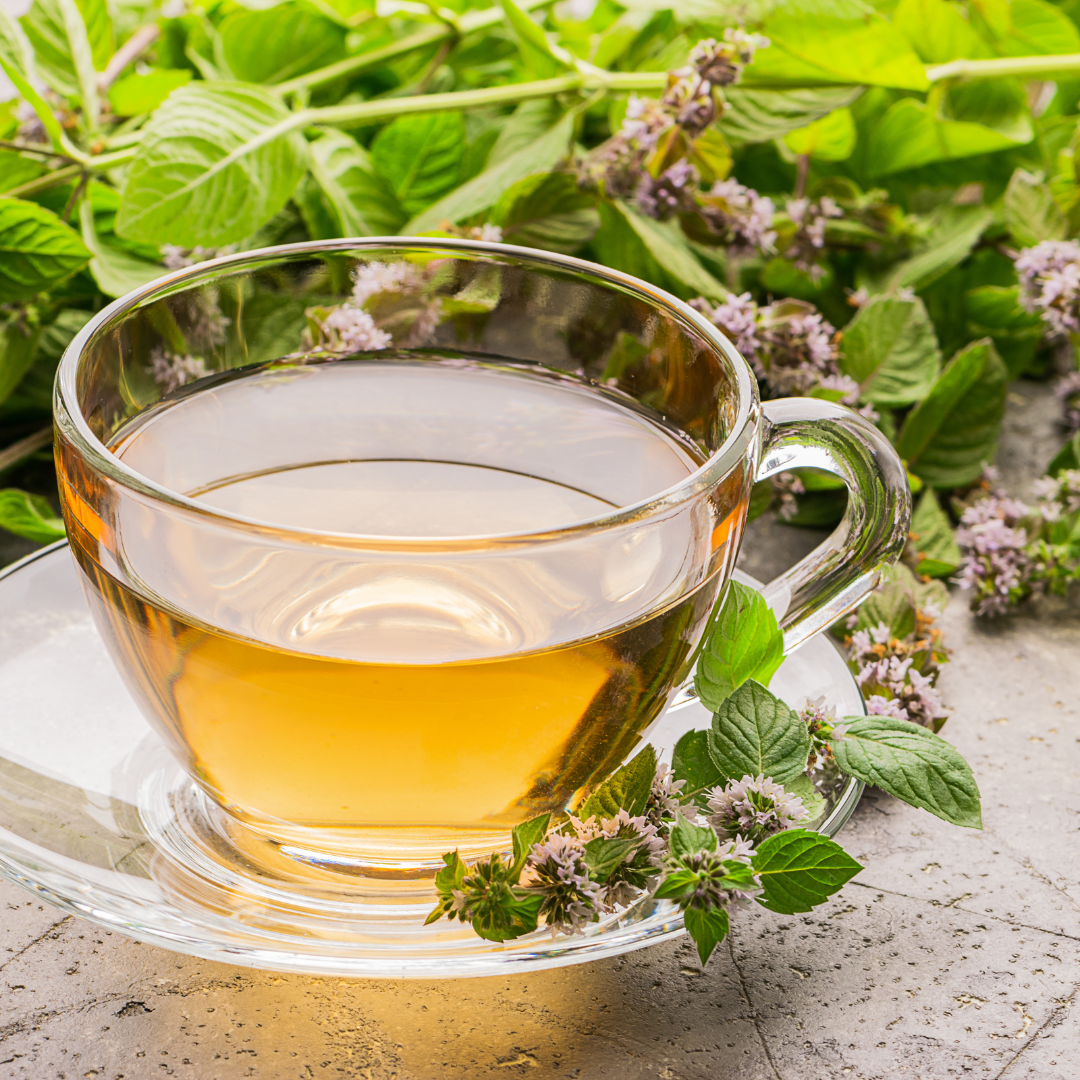
Peppermint is particularly popular due to its pleasant flavour - but there is much more to this medicinal plant. The menthol-containing essential oils from the mint leaves not only provide a pleasant flavour, but also have an antibacterial, antispasmodic, stimulating and digestive effect. The menthol has a particularly positive effect on the respiratory tract in the case of colds - the tea does not necessarily have to be drunk for this, it is also suitable for inhalation, e.g. with a towel over the head. We can also recommend peppermint tea for digestion. The herbal tea is particularly helpful against bloating and supports the emptying of the stomach. With peppermint tea, however, you should make sure that the tea does not steep for too long - otherwise it will become bitter!
Camomile tea
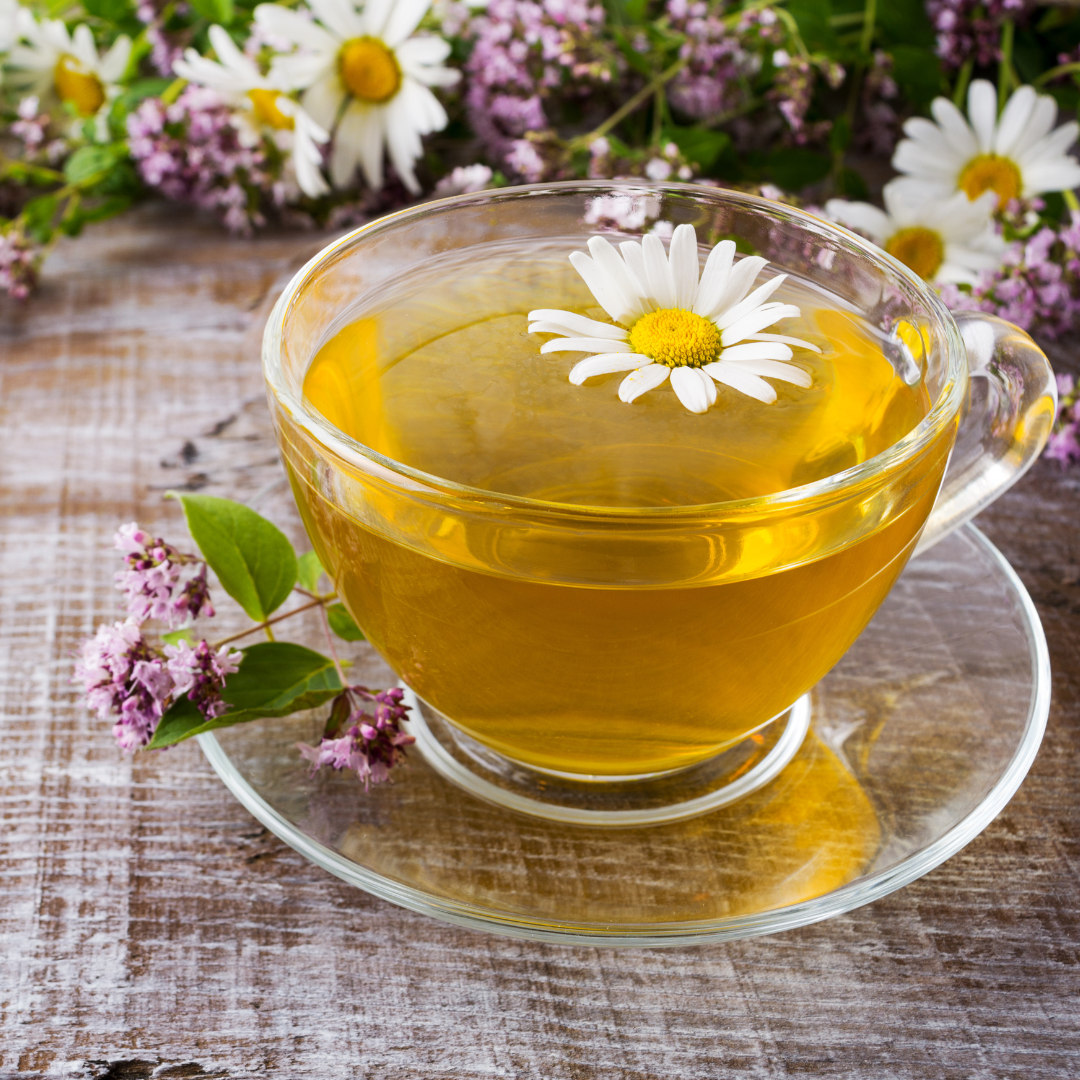
The classic herbal tea, which is popular in many forms and flavours. The flower not only exudes a flowery, soothing odour, but also has an antispasmodic and anti-inflammatory effect. Chamomile calms the mucous substances and inhibits the excessive production of stomach acid, particularly in the case of stomach complaints. To benefit from its anti-inflammatory effect, chamomile tea can also be gargled or inhaled for colds or tonsillitis.
Sage tea
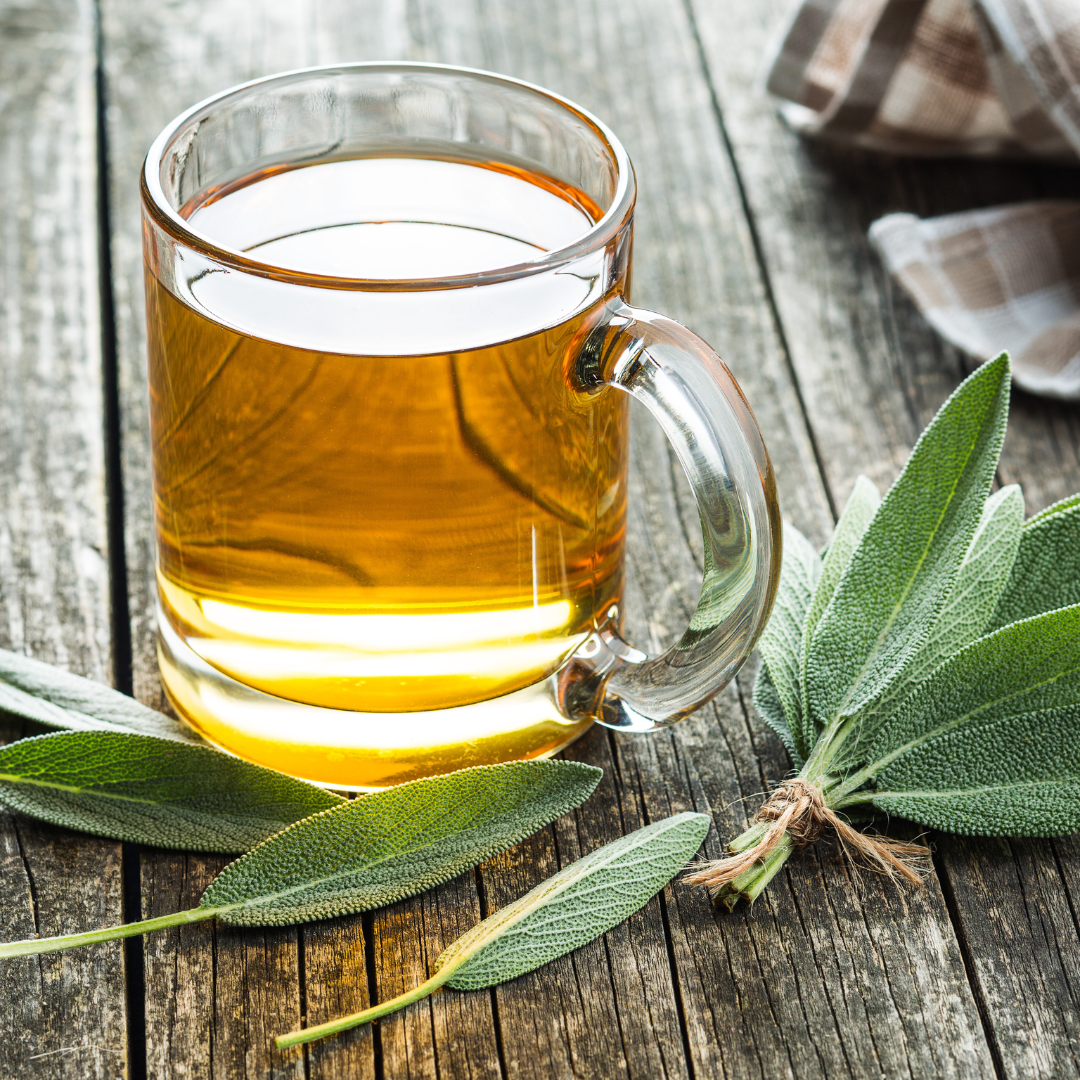
Sage not only adds a Mediterranean flavour to many dishes, but also unfolds its many healthy properties as a tea. The essential oils of this medicinal plant have an antibacterial, antiviral and anti-inflammatory effect. By gargling, this tea is the perfect remedy for a sore throat, hoarseness or gum problems.