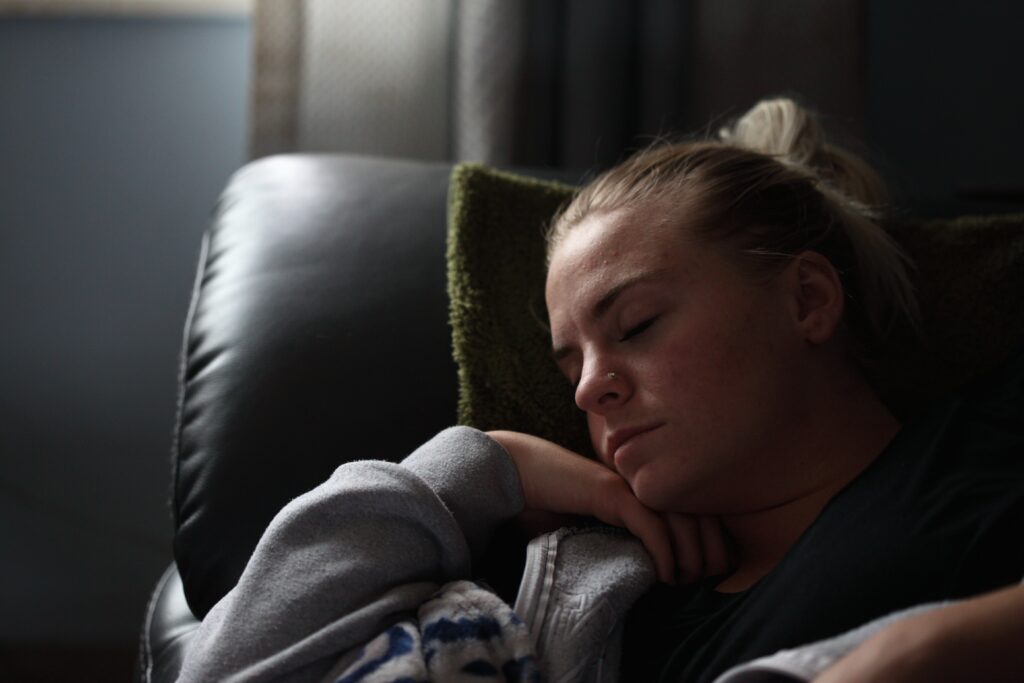
Sleep better, live better: Tips for restful sleep

Sleeping like a baby - unfortunately, many adults can only dream of this. Many people try again and again to achieve this goal and finally enjoy restful sleep again. But night after night they toss and turn, wake up again and again and then can't fall asleep at all. Are you one of those people who struggle with sleep problems from time to time? We'll tell you how you can sleep better and start the day more energised!

If you suffer from mild sleep disorders, a change in lifestyle can often help. If you want to sleep better, it is therefore essential to find out the causes of unsatisfactory sleep. Whether it's mental stress, eating too much in the evening or too much caffeine - there are many factors that can influence sleep. You can counteract your sleep problems with the following tips and tricks.

Tips & Tricks

Sleeping place

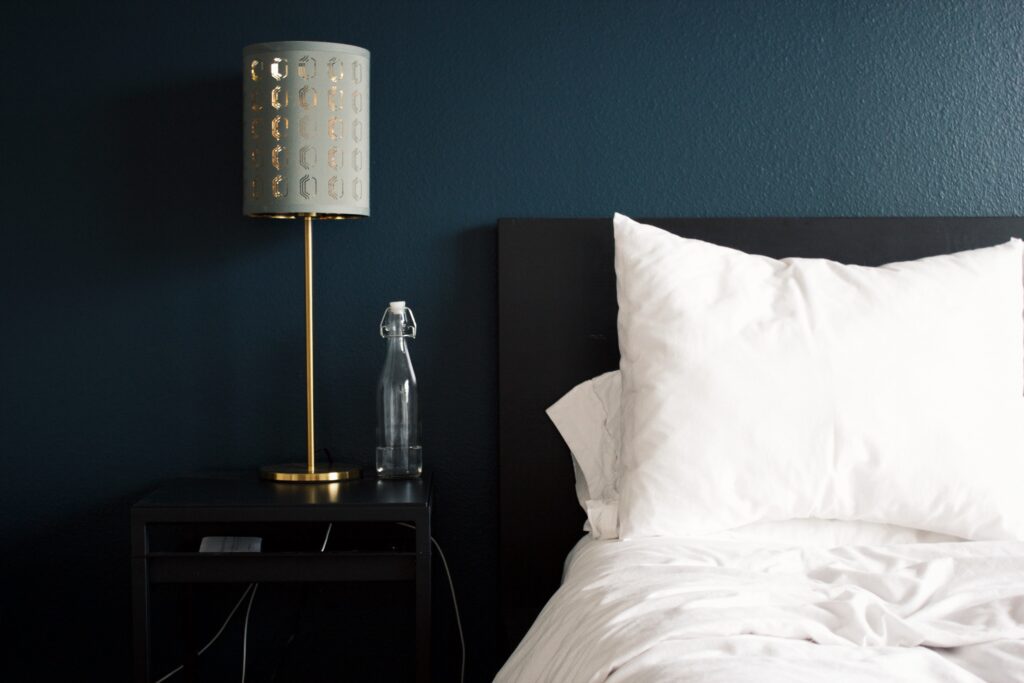
An optimal sleeping space is not just about a comfortable bed and a good mattress - when it comes to sleeping, several spatial factors play a key role. Firstly, it is important to create an atmosphere that promotes sleep by keeping the room completely darkened and well ventilated. The room temperature should not exceed 18°C, so make sure you ventilate the bedroom regularly. Secondly, it is important to remember that the bedroom is really only for sleeping. A television has just as little place in the bedroom as a laptop, food or work materials. Try to see your sleeping area as a place of retreat and use it as such!

Bedtimes

If you can't sleep well at night, you often tend to take an extended nap when tiredness sets in. This is a big mistake, because a nap during the day should not last longer than 15 to 20 minutes so that your night's sleep is not disturbed. You should also make sure that you stick to regular bedtimes and maintain these as much as possible at the weekend. If it happens that you still can't sleep, don't agonise in bed. It is better if you get up for a while and only lie down again when you are tired. In the meantime, make yourself a sleep-inducing tea or read a book, for example. Because one thing is important to remember: The bed should be a place to sleep - so if possible, only lie down when you are really tired and when it is time to go to sleep.

Nutrition and luxury foods

 We've all been there: you've eaten too much and too richly in the evening and therefore can't sleep well. To avoid this, you should avoid unusually heavy and late meals in the evening and instead eat light food. You should also avoid alcohol in order to sleep well. Alcohol may often have a soporific effect in the evening, but it leads to disturbed sleep later in the night. So next time you go to a restaurant, make sure you don't eat anything rich or drink alcohol. In addition to these two factors, caffeine also plays an important role when it comes to sleep. Caffeine stimulates brain activity and ensures that we stay awake. For this reason, you should avoid caffeinated drinks four to six hours before going to sleep.

Physical activity

Sport is not only healthy, but also promotes your sleep. Regular physical activity has a positive effect on your sleep and also allows you to start the day more energised in the morning. However, make sure you don't overexert yourself, but find the right balance. You should avoid physical exertion directly before going to bed, as this stimulates your circulation too much and ensures that you are wide awake. If it happens that you don't get to do any physical activity until late in the evening, why not go for a leisurely walk instead of a strenuous workout?

Relaxation

Stressed out at work again or are you plagued by other problems? When something stresses us out, it literally robs us of sleep. That's why it's important not to take anything stressful to bed with you. Of course, this is easier said than done, but try talking to a trusted person about your problems and doing relaxation exercises before going to bed. These two things can help reduce mental stress and help you fall asleep more quickly or stay asleep for longer. Relaxing sleep rituals such as a cup of tea, a walk, quiet music or a foot bath before going to bed can also help you to fall asleep.

As you can see, there are numerous factors that could be responsible for your sleep problems. We hope that this article has given you food for thought and that you have perhaps now been able to work out which factor is having a negative effect on your sleep. Perhaps you could try out a trick or two to help you sleep better again. However, if your sleep problems are very severe and have been going on for a long time, you should definitely seek professional help. Good sleep is important for our health and should therefore not be taken lightly. In any case, we wish you all the best and hopefully restful sleep again soon!